To improve indoor air quality at home, start by removing pollution sources, bringing in clean outdoor air when conditions allow, controlling moisture and using filtration where necessary. Running kitchen and bathroom exhaust fans, maintaining heating and cooling filters, preventing mould and installing carbon monoxide alarms can make a meaningful difference.
Why does indoor air quality matter?
Indoor air contains a mixture of particles, gases and biological pollutants that can affect comfort and health. Common sources include cooking, tobacco smoke, cleaning products, building materials, household dust, mould and fuel-burning appliances. Poor ventilation can allow these pollutants to accumulate, particularly in homes that remain closed for extended periods.
The World Health Organization’s December 2025 household air pollution fact sheet estimates that approximately 2.1 billion people still cook using polluting fuels and technologies, including wood, coal, kerosene and other biomass fuels. Household air pollution was responsible for an estimated 2.9 million deaths in 2021. These figures reflect the serious risks associated with household combustion, particularly in poorly ventilated homes, rather than the typical exposure experienced in every modern household.
The US Environmental Protection Agency (EPA) recommends three central approaches to improving indoor air: controlling pollution sources, improving ventilation and using air cleaning or filtration. Moisture management is another important part of maintaining a healthier indoor environment.
9 practical ways to improve indoor air quality at home
1. Identify and remove common sources of indoor pollution
The most effective starting point is to identify what is contaminating the air rather than immediately purchasing an air purifier. Tobacco smoke, poorly maintained fuel-burning appliances, certain household products and indoor combustion can release harmful particles or gases. Removing or reducing these sources can prevent pollutants from entering the air in the first place.
Avoid smoking indoors, keep chemical products properly sealed and follow their manufacturers’ instructions. When painting, renovating or using products that release chemical vapours, provide adequate ventilation and limit exposure. The EPA identifies source control as one of the most effective ways to improve indoor air quality.
2. Improve ventilation by bringing in fresh outdoor air
Ventilation helps dilute indoor pollutants and move contaminated air outside. Opening windows and doors when outdoor air quality and weather conditions permit is a simple way to increase natural ventilation. This is particularly useful after cooking, cleaning or using products that release fumes.
Kitchen and bathroom exhaust fans are equally important. They remove moisture, odours and pollutants from areas where they are generated, provided they discharge outdoors. However, opening windows is not always the right choice when outdoor pollution levels are high, during wildfire smoke events or when there are local air-quality warnings. Check local air-quality information before deciding when to ventilate.
3. Use kitchen exhaust systems while cooking
Cooking is a frequently overlooked source of indoor air pollution. Frying, grilling, sautéing and even burning food can release fine particulate matter into the air. Gas cooking appliances can also produce combustion pollutants, making effective kitchen ventilation particularly important.
The EPA recommends using a range hood that vents outdoors whenever cooking. Keep it running during cooking and for another 10–20 minutes afterwards. Cooking on the back burners can improve the amount of cooking emissions captured by the hood. Clean the hood’s grease filter regularly to maintain its performance.
If your kitchen does not have an externally vented range hood, open windows when outdoor conditions permit and use an exhaust fan that sends air outside. A correctly sized portable air cleaner can provide additional filtration, although it does not replace effective kitchen ventilation.
4. Choose the right air purifier for your room
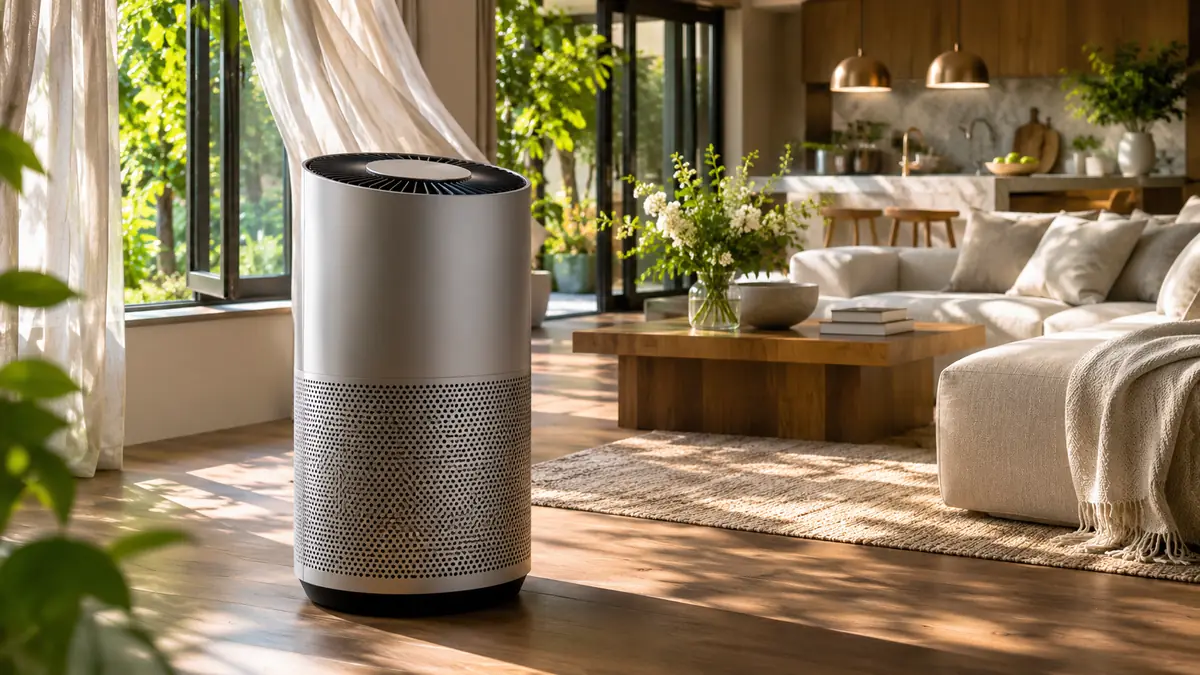
A portable air purifier can help reduce airborne particles, including dust, pollen and certain other pollutants. However, buying the most expensive model does not automatically mean getting the best results. The device needs an appropriate filtration system and sufficient cleaning capacity for the room where it will operate.
Look for a purifier with a genuine HEPA filter and check its Clean Air Delivery Rate (CADR). CADR indicates how quickly a device delivers filtered air, with ratings commonly provided for different particle categories. Choose a model suited to the room’s floor area and ceiling height rather than relying exclusively on the manufacturer’s suggested room size.
Activated carbon filters can provide additional help with certain gases and odours. Their effectiveness depends on the quantity and quality of the absorbent material. A HEPA filter primarily captures particles; it should not be assumed to remove gases, carbon monoxide or every indoor pollutant.
Place the purifier where furniture and curtains will not obstruct airflow. Running it for longer periods and at higher fan speeds generally increases the amount of air filtered. Avoid air-cleaning devices that intentionally generate ozone, as ozone can irritate the respiratory system.
5. Maintain your HVAC system and replace filters regularly
Heating, ventilation and air-conditioning systems can help manage indoor particles when fitted with suitable filters and maintained correctly. Dirty or incorrectly fitted filters can reduce filtration performance. Check the manufacturer’s recommended replacement schedule rather than waiting until a filter appears visibly dirty.
For compatible central HVAC systems, the EPA recommends considering MERV 13 filters or the highest-rated filter the equipment can accommodate. MERV measures a filter’s ability to capture particles of different sizes. However, installing a filter that is too restrictive for a particular system can interfere with airflow, so check the equipment specifications or consult an HVAC professional before upgrading.
Also inspect air vents and returns to ensure furniture, rugs and other objects are not blocking them. Professional servicing can help identify problems with ventilation equipment, drainage and filter installation.
6. Control indoor humidity to prevent mould growth
Moisture is one of the most important factors affecting indoor air quality. Bathrooms, kitchens, basements and poorly ventilated bedrooms can develop damp conditions that encourage mould growth. Mould can release spores into the air and may aggravate allergies and respiratory symptoms in susceptible people.
The EPA recommends keeping indoor relative humidity below 60%, ideally between 30% and 50%. A small digital hygrometer can help monitor moisture levels. Depending on the climate, a dehumidifier, air conditioner or improved ventilation may help maintain an appropriate range.
Fix plumbing leaks promptly, dry wet materials within 24–48 hours whenever possible and address the underlying cause of recurring condensation. Simply painting over mould or covering a damp surface does not solve the moisture problem. Extensive mould contamination or persistent water damage may require professional remediation.
7. Reduce dust, allergens and chemical residues
Dust can contain a mixture of particles, including pollen, pet dander and dust-mite allergens. Regular cleaning helps reduce the amount of material that accumulates on household surfaces. Use a damp microfibre cloth rather than dry dusting, which can send particles back into the air.
Vacuum carpets and upholstery regularly, paying attention to areas where dust collects. If possible, choose a vacuum with an effective filtration system and maintain it according to the manufacturer’s instructions. Wash bedding regularly and address dampness or pest problems rather than relying on repeated surface cleaning alone.
Household cleaning products also deserve attention. Use them according to their labels, avoid mixing chemicals unless specifically instructed and ventilate the room when using products that release fumes. Keep containers sealed and store them away from living areas wherever possible.
8. Maintain fuel-burning appliances and install carbon monoxide alarms
Homes that use gas, wood, coal, kerosene or other combustion-based heating and cooking equipment need particular attention. Poorly maintained appliances, blocked flues and inadequate ventilation can expose occupants to dangerous combustion pollutants. Carbon monoxide (CO) is especially hazardous because it is colourless and odourless.
Have fuel-burning heating equipment, fireplaces, chimneys and ventilation systems inspected by qualified professionals. Install working carbon monoxide alarms according to local safety regulations and the manufacturer’s instructions, particularly near sleeping areas. Remember that an alarm is a backup safety measure, not a replacement for correctly installed and maintained appliances.
Never operate portable generators inside a home, garage, basement or enclosed space, even when doors and windows are open. The US Consumer Product Safety Commission recommends operating generators outdoors, at least 20 feet from buildings, with exhaust directed away from windows, doors and vents. Never use charcoal grills indoors either.
9. Check whether your home needs radon testing
Radon is a naturally occurring radioactive gas that can enter buildings from the ground. It cannot be identified through smell or ordinary visual inspection, which means a home can have elevated radon levels without obvious warning signs. Long-term exposure is an established lung cancer risk.
Whether testing is particularly important depends on local geology, construction and regional radon guidance. Check recommendations from your country’s public-health or environmental protection authority and use an appropriate radon test when advised. Standard HEPA air purifiers do not address radon exposure, so a specific assessment and mitigation system may be needed if elevated levels are detected.
How to improve indoor air quality during winter
Winter creates a particular challenge because people often keep windows closed for longer periods while using heating systems. Indoor pollutants from cooking, cleaning and household activities can accumulate when fresh-air exchange is limited. Heating appliances also need regular maintenance to reduce the risk of combustion-related problems.
Use exhaust fans when cooking and showering, maintain suitable HVAC filters and run a correctly sized air purifier in frequently occupied rooms. Ventilate briefly when outdoor air quality permits, and monitor indoor humidity to prevent condensation and mould. During wildfire events or periods of severe outdoor pollution, rely more heavily on appropriate filtration and follow local public-health advice about ventilation.
Frequently asked questions
How can I improve indoor air quality naturally?
Start by reducing indoor pollution sources, cleaning surfaces with a damp cloth, controlling moisture and improving ventilation when outdoor air is clean. Use kitchen and bathroom exhaust fans, avoid smoking indoors and maintain household appliances. These measures can improve indoor air without requiring expensive equipment.
Do air purifiers really improve indoor air quality?
Yes. Portable air purifiers with suitable particle filters can reduce airborne particles such as dust, pollen and some other pollutants. Their effectiveness depends on filter quality, room size, airflow and operating time. They cannot remove every pollutant, so source control and ventilation remain important.
What is the ideal humidity level inside a home?
The EPA recommends maintaining indoor relative humidity between 30% and 50% where possible, and below 60% to reduce conditions that encourage mould growth. A hygrometer can help monitor humidity. If moisture remains high, investigate leaks and consider improving ventilation or using a dehumidifier.
Can indoor air quality be worse than outdoor air quality?
Yes. Indoor air can contain elevated concentrations of certain pollutants because cooking, cleaning, building materials, household products and combustion appliances release particles or gases. Poor ventilation can allow these contaminants to accumulate. However, outdoor pollution can also enter buildings, so indoor and outdoor air quality need to be considered together.
How often should I replace my air purifier filter?
There is no universal replacement schedule. It depends on the filter type, manufacturer’s instructions, operating hours and pollution levels in the surrounding environment. Check the filter indicator where available and follow the recommended maintenance schedule. A clogged or overdue filter can reduce the device’s performance.
Improving indoor air quality involves reducing pollution at its source, maintaining adequate ventilation, controlling moisture and using appropriate filtration. Regular appliance maintenance, careful cooking practices and carbon monoxide protection are equally important parts of a healthier home. Which of these indoor air quality improvements have you already made in your home, and which one would you tackle first?