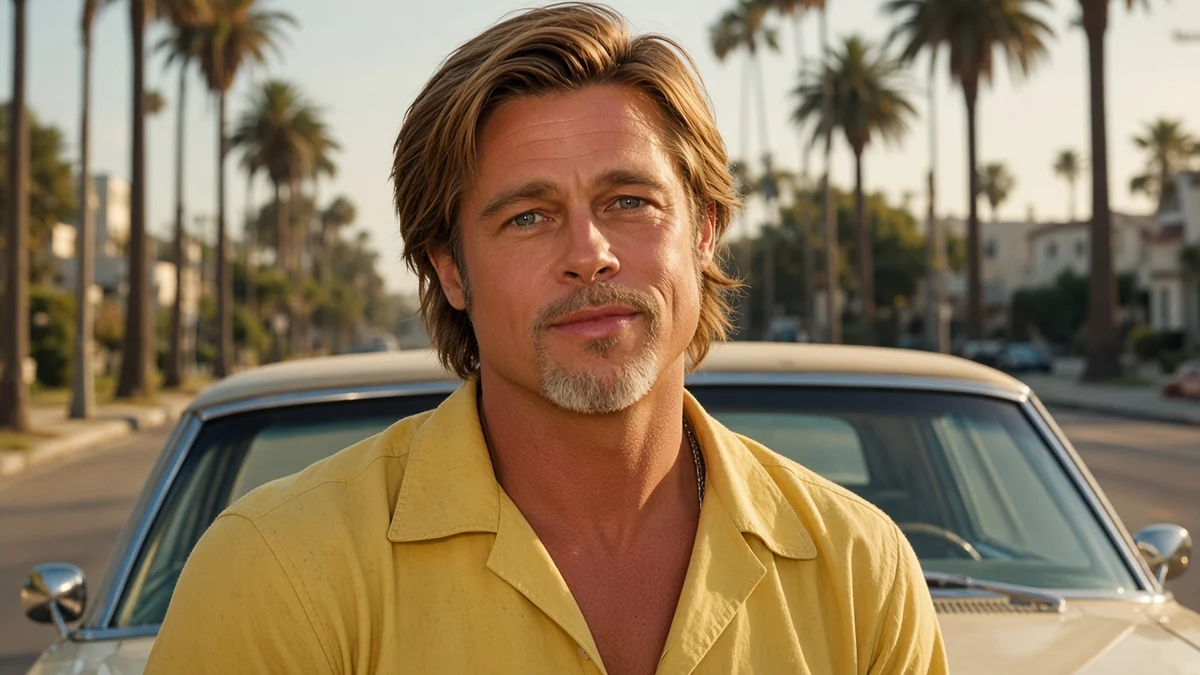
The first reactions to The Further Mis-Adventures of Cliff Booth have arrived, and critics are responding enthusiastically to Brad Pitt’s return as the stuntman-turned-fixer. The film reunites Pitt with Quentin Tarantino, who wrote the screenplay, while David Fincher directs a story set in 1977 Los Angeles. Early comments praise its Hollywood atmosphere and Pitt’s performance, with several critics describing it as an entertaining change of pace from the 2019 original.
Early reactions praise the film’s tone and performances
The first wave of reactions followed a press screening on Monday evening, with critics posting their impressions on social media. Variety’s Clayton Davis called it a “wild, hilarious hangout movie” and praised Pitt for slipping back into Cliff Booth’s skin with the relaxed charisma that made the character memorable. Davis also singled out Elizabeth Debicki, Scott Caan and Peter Weller, along with the film’s cinematography.
TheWrap’s Drew Taylor was just as enthusiastic, describing the movie as “an absolute triumph” and praising the combination of Tarantino’s writing and Fincher’s direction. Other reactions focused on the 1970s Los Angeles setting, the ensemble cast and the way the film moves between character scenes and bursts of violence. Pitt’s return has been a particular point of praise, giving the sequel a familiar centre even as the story moves into a different corner of Hollywood.
There is some nuance beneath the excitement. A few critics describe the film as a slower-burning side story rather than a direct repeat of Once Upon a Time in Hollywood, while others praise its final act. The early response suggests the sequel is using Cliff’s familiar personality in a different kind of story instead of trying to recreate the original’s mix of alternate history and Hollywood nostalgia.
Cliff Booth returns to a very different Hollywood
The sequel takes place in 1977, eight years after the events of Once Upon a Time in Hollywood. Cliff is no longer working primarily as a stuntman; he has become a Hollywood fixer, using his particular skills to solve problems for people who would rather keep their messes out of public view. Netflix’s official synopsis says he earns money between jobs as a bartender or a movie-theatre projectionist.
The story takes shape when talent agent Karen Crosby, played by Debicki, contacts Cliff on behalf of her client Charlie Peters. Played by Caan, Charlie is a television star known for performing his own stunts, and his world brings Cliff into contact with a new group of characters. Carla Gugino plays Charlie’s wife Toni, while Yahya Abdul-Mateen II appears as Roderick “Hot Rod” Harrison, a former professional football champion who has become a screen actor.
The official synopsis also introduces the Verdusco brothers, played by Matt Groove and JB Tadena, as gangsters causing trouble around Los Angeles. Netflix frames the story as a crime tale built around violence, ambition and desire, with Cliff moving through a city that has changed since the late 1960s. That shift gives the sequel a new setting and a new professional role for its central character, while keeping him connected to the film business that shaped the original.
Fincher and Tarantino bring different strengths to the sequel
Tarantino wrote the screenplay, but he did not direct this time. Fincher, whose films include Se7en, Zodiac, The Social Network and Gone Girl, takes over behind the camera, bringing a different directorial sensibility to a character created inside Tarantino’s version of 1969 Hollywood. Critics have already picked up on the contrast between Tarantino’s sharp dialogue and Fincher’s controlled visual style.
Cliff remains the same laid-back figure whose calm manner can turn dangerous when a situation demands it, but his new job places him closer to the people who run Hollywood than to the stunt performers who work on its sets. The story can explore the industry from another angle, with Cliff dealing with actors, agents and studio problems rather than moving between film sets. That change gives the sequel a different route into the same world.
Pitt’s return is a major part of the film’s appeal. His performance as Cliff in Once Upon a Time in Hollywood earned him the Academy Award for Best Supporting Actor, and the role became one of the film’s most recognisable elements. The new movie gives him the lead, with Debicki, Caan, Gugino, Abdul-Mateen II and Weller forming a fresh ensemble around him.
The sequel builds on the legacy of Once Upon a Time in Hollywood
The 2019 film followed fading television actor Rick Dalton and his stunt double Cliff Booth through a fictionalised version of Los Angeles in 1969. It mixed the anxieties of a changing entertainment industry with Tarantino’s alternate take on the Manson Family murders, and it became one of the director’s most widely discussed releases. The film received 10 Academy Award nominations, with Pitt winning the supporting actor prize.
The new story does not need to recreate that historical backdrop to bring back the character. By moving forward to 1977, it can show how Cliff fits into a changed Hollywood while keeping the film industry at the centre of the plot. The title also makes clear that this is a continuation of Cliff’s story rather than a broad sequel following every character from the earlier film.
That focus may explain why early reactions keep returning to the idea of a hangout movie. The character is familiar, but the people and problems around him are new, giving the film room to build its own rhythm. For viewers who enjoyed spending time with Cliff in the original, the sequel offers another extended visit with him under a director whose previous work has often taken a darker route through crime and obsession.
IMAX release arrives before the Netflix debut
The Further Mis-Adventures of Cliff Booth will begin a two-week exclusive run in IMAX theatres globally on November 25. Netflix has scheduled the film’s streaming debut for December 23, giving it a theatrical window before it arrives on the service. The release plan puts the film in cinemas just over a week after the first reactions began circulating.
The timing gives audiences a chance to see the film on a large screen before the holiday streaming period. Its 1970s setting, ensemble cast and crime-story elements are central to the early discussion, but press reactions remain an initial indication rather than a substitute for a full public response. General audiences will get their first opportunity to judge the film when the IMAX run begins.
For now, critics have embraced the combination of Pitt’s returning character, Tarantino’s screenplay and Fincher’s direction. The film is close enough to the original to attract fans of Cliff Booth, yet its new decade and fixer storyline give it room to move in another direction. Does the pairing of Tarantino and Fincher make you more interested in seeing Cliff Booth’s next chapter on the big screen?