The best places to visit in January include Cape Town for summer beaches, Finnish Lapland for snow and Northern Lights, Thailand’s Andaman Coast for tropical sun, Costa Rica for dry-season wildlife and Queenstown for long Southern Hemisphere summer days. Dubai, Oman, Sri Lanka and Kerala also offer unusually comfortable weather for exploring outdoors.
January can deliver two completely different kinds of escape. You can trade winter coats for warm seas and sunlit terraces, or lean into the cold with husky trails, Arctic forests and nights spent watching the sky. For a wider seasonal shortlist, our guide to the best winter vacations for 2026-2027 covers more cold-weather and winter-sun options.
| Destination | Typical January weather | Best for |
|---|---|---|
| Cape Town, South Africa | Warm, mostly dry summer days | Beaches, hiking, food |
| Rovaniemi, Finland | Deep snow, Arctic cold, short daylight | Northern Lights, snow adventures |
| Phuket & Krabi, Thailand | About 24-32°C, relatively dry | Beaches, islands, snorkelling |
| Galle & Sri Lanka’s south coast | Warm, sunny dry-season conditions | Surf, coast, heritage |
| Guanacaste, Costa Rica | Dry, hot and sunny | Wildlife, beaches, volcanoes |
| Queenstown, New Zealand | Warm summer weather, long days | Hiking, cycling, outdoor adventure |
| Dubai, UAE | Mild, dry winter weather | City breaks, desert trips, shopping |
| Muscat & Sharqiyah Sands, Oman | About 17-25°C in Muscat | Wadis, mountains, desert camping |
| Kerala, India | Warm coast, cooler hill country | Backwaters, tea country, culture |
Best places to visit in January: Cape Town, South Africa
January lands in the heart of Cape Town’s summer, when the city is warm, mostly dry and washed in late-evening sunlight. Cape Town Tourism says January and February are among the driest months, with typical summer temperatures around 17-28°C and sunsets after 8pm. Strong south-easterly winds can still change the feel of a beach day quickly.
Start early on Table Mountain, where advance tickets for the cableway are available from the Table Mountain Aerial Cableway, then drop toward the Atlantic beaches or continue around the peninsula. January is peak season, so expect higher accommodation prices, queues and crowded waterfront restaurants. This is one destination where paying more to stay centrally can save a surprising amount of holiday time.
Rovaniemi, Finland: deep snow and Northern Lights
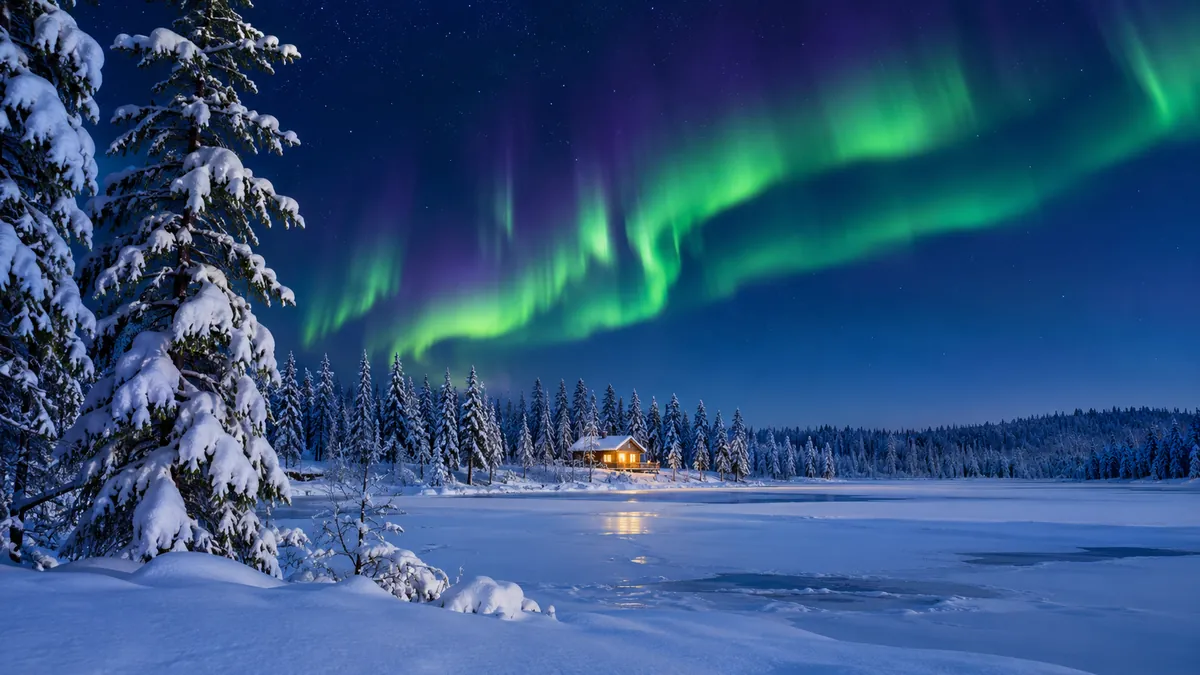
Rovaniemi offers the January opposite: snow-heavy forests, blue twilight and Arctic temperatures. Visit Rovaniemi lists January as snowy, with roughly four hours of daylight and average conditions that can fall between -30°C and -15°C. The long darkness is useful if aurora hunting is high on your list, although no trip can guarantee a Northern Lights display.
Spend daylight hours on husky rides, snowshoe trails or frozen-forest excursions, then move away from city lights after dark. January generally loses some of December’s Christmas-week intensity while keeping full winter scenery. For more aurora options across the Arctic, compare our guide to the best places to see the Northern Lights in 2026-2027 before choosing where to base yourself.
Phuket and Krabi, Thailand: dry-season island weather
Thailand’s Andaman Coast is one of January’s most dependable tropical escapes. The World Weather Information Service records Phuket’s January mean daily maximum at 32.4°C and minimum at 23.9°C, with around 23.3mm of monthly rainfall. Warm water, lower rain risk and clearer skies make this an especially strong month for boat days.
Krabi gives you easy access to Railay, Phra Nang and offshore islands from Ao Nang, while Phuket suits travellers wanting a larger choice of hotels, restaurants and nightlife. The Tourism Authority of Thailand specifically advises early reservations around the late-December to early-January peak. Travel later in the month if you want to soften the New Year crowds without abandoning dry-season weather.
Galle and Sri Lanka’s south coast: surf and old-world streets
January is one of the strongest months for Sri Lanka’s south and west coasts. According to Sri Lanka Tourism, the northeast monsoon affects the north and east from December to February while the west and south are at their best. That makes Galle, Weligama and the beaches around Mirissa much safer January choices than the island’s eastern shoreline.
Walk Galle Fort’s sea walls near sunset, learn to surf in Weligama’s broad bay, then leave room for slow coastal mornings rather than trying to change towns daily. January is firmly within the island’s peak tourist season, so small hotels and well-located villas can become expensive. One correction to older planning guides: the Galle Literary Festival has confirmed its 2027 edition for March 17-21, not January.
Guanacaste, Costa Rica: dry trails and Pacific beaches
January sits squarely inside Guanacaste’s dry period. Visit Costa Rica says the region’s dry season runs from December through March, while its broader seasonal guide recommends Guanacaste beaches such as Tamarindo, Playa Grande, Playa Conchal and Nosara during this window.
Beach time is the easy option, but January is also excellent for the volcanic and hot-spring trails around Rincón de la Vieja and for combining the Pacific coast with inland wildlife. The weather advantage has a cost: Costa Rica’s tourism authority describes January as one of its most sought-after months, with higher demand for accommodation, transport and tours. Reserve rental cars and national-park plans before arrival rather than improvising everything on the coast.
Queenstown, New Zealand: long summer days in the Southern Alps
January gives Queenstown the kind of daylight that makes ambitious itineraries possible. Destination Queenstown places summer temperatures broadly around 20-30°C and describes December through February as peak season, with long days suited to outdoor activities. Cycling, lake time, mountain biking and hiking all become easier to combine.
The Routeburn area’s main walking season runs from late October to late April, with January and February identified as peak hiking months by Destination Queenstown. The trade-off is price: summer accommodation can fill months ahead, and the local tourism board recommends booking peak-season stays three to six months in advance. January rewards travellers who plan early rather than bargain hunters waiting for last-minute rooms.
Dubai, UAE: mild days and a major January festival
January removes Dubai’s hardest weather constraint. Instead of planning around extreme summer heat, you can walk older creekside districts, eat outdoors and schedule desert excursions in the afternoon. It is also one destination where the 2027 event calendar is already clearer than the research brief suggested.
Visit Dubai has confirmed Dubai Shopping Festival from December 4, 2026 to January 17, 2027, with citywide shopping, entertainment and events. The city will therefore be busy during the first half of January, and hotel prices can reflect that demand. Travellers who care more about weather than festival programming may prefer the second half of the month.
Muscat and Sharqiyah Sands, Oman: wadis without summer heat
Muscat’s January climate is unusually comfortable for Arabia. The World Weather Information Service, using data supplied by Oman’s meteorological authority, lists a January mean maximum of 25.1°C, minimum of 16.7°C and just 13.2mm of average rainfall. Those temperatures make mountain walks, fort visits and desert evenings far easier than they are in hotter months.
Drive southeast for Wadi Shab, where turquoise pools sit between limestone walls; Experience Oman recommends September through May for the trip. From there, a route through Sur toward Sharqiyah Sands can add a desert camp and cold, clear night skies. January is high season, but Oman tends to feel more spread out than nearby city-break destinations, especially once you leave Muscat.
Kerala, India: backwaters, tea hills and dry-season travel
Kerala works well in January because one trip can move between tropical waterways and noticeably cooler highlands. Kerala Tourism recommends October through February for backwater cruises and November through February for hill stations such as Munnar and Thekkady. That overlap makes January especially useful for a multi-stop itinerary.
Spend a night or two around Fort Kochi, cruise Alappuzha’s network of lakes and canals, then climb toward Munnar’s tea-covered slopes. Kerala Tourism’s Alappuzha guide describes the district’s extensive system of lagoons, rivers and backwaters, which remains its defining experience. January is a popular international travel month, so better houseboats and small heritage stays should be reserved well ahead.
How to choose among the best places to visit in January
Start with the temperature you actually want, rather than the destination you think you should want. For genuine heat, Phuket, Krabi, Sri Lanka, Guanacaste and Kerala are the strongest choices here; Cape Town and Queenstown give you outdoor-friendly summer without tropical humidity. Dubai and Oman sit in a particularly comfortable middle ground for travellers who want sun but dislike intense heat.
For snow, Lapland is the clear specialist choice, but it comes with expensive winter gear, short daylight and weather-dependent aurora viewing. If Europe is the priority but you would rather chase sunshine, compare the Canary Islands and other options in our guide to the best winter-sun destinations in Europe. January value also depends heavily on timing: the first week is often priced like the Christmas period, while later dates can be calmer in several destinations.
Entry rules deserve a final check close to departure because they can change faster than climate patterns. One example is Europe: as of November 24, 2026, the EU’s official ETIAS portal says ETIAS is still not operational and that its exact launch date will be announced in advance. New Zealand, meanwhile, currently charges most applicable international visitors an NZD 100 International Visitor Conservation and Tourism Levy, according to Immigration New Zealand.
If we were matching trips to travellers, Cape Town and Queenstown would win for active summer itineraries, Thailand and Sri Lanka for warm-water escapes, Oman for a road trip with fewer big-city distractions, and Lapland for a once-a-winter Arctic experience. Guanacaste is superb for wildlife and dry weather but demands a bigger peak-season budget, while Dubai is easiest for a short, polished city break. For January 2027, start locking in long-haul flights and high-demand stays three to six months ahead, especially for Queenstown, Lapland and the first half of January.
Frequently asked questions
Where is hot in January for a beach holiday?
Phuket and Krabi are among the hottest reliable choices on this list, with Phuket averaging roughly 24-32°C in January. Sri Lanka’s south coast, Kerala and Guanacaste also offer warm beach weather, while Cape Town provides drier Mediterranean-style summer conditions rather than tropical heat.
What are the best places to visit in January for the Northern Lights?
Finnish Lapland is one of the strongest options because January combines deep snow with long hours of darkness. Rovaniemi makes an accessible base for guided aurora trips, but cloud cover and solar activity mean sightings are never guaranteed, so allow several nights rather than relying on one excursion.
Which destinations have dry season in January?
January falls within the drier travel window for Thailand’s Andaman Coast, Sri Lanka’s south and west, Costa Rica’s Pacific side and Kerala. Cape Town is also in its dry summer period, while Oman and Dubai receive relatively little winter rainfall.
Where can I avoid the biggest January crowds?
January is peak season in many of the destinations above, so truly empty resorts are unlikely. Oman generally offers more breathing room once you leave Muscat, while travelling later in January can reduce holiday-period pressure in Thailand and Cape Town. Avoiding famous resort strips and staying in smaller neighbouring towns also makes a noticeable difference.
When should I book a January 2027 trip?
For high-demand places such as Queenstown, Lapland, Cape Town and Costa Rica, booking major accommodation three to six months ahead is sensible, with earlier reservations useful for unusual lodges or limited-capacity tours. For tropical destinations, compare refundable hotel rates early and then monitor flights rather than waiting until December, when holiday travel can squeeze both availability and choice.